COVO TOOLING SYSTEM
WILA Press Brake Tooling
WILA-compatible punches and dies for New Standard press brake tooling systems.
Browse 79 COVO punches, dies and compatible tooling products for WILA press brake systems. Filter by product type, angle, height, material and die opening in the interactive catalog.
WILA tooling products
- WILA Punch 14.02 (14.02)
- WILA Punch 14.04 (14.04)
- WILA Punch 19.022 (19.022)
- WILA Punch 19.023 (19.023)
- WILA Punch 14.06 (14.06)
- WILA Punch 19.225 (19.225)
- WILA Punch 19.032 (19.032)
- WILA Punch 19.033 (19.033)
- WILA Punch 14.03 (14.03)
- WILA Punch 19.021 (19.021)
- WILA Punch 19.233 (19.233)
- WILA Punch 14.05 (14.05)
- WILA Punch 19.221 (19.221)
- WILA Punch 29.29 (29.29)
- WILA Punch 19.031 (19.031)
- WILA Punch 19.041 (19.041)
- WILA Punch 19.235 (19.235)
- WILA Punch 14.01 (14.01)
- WILA Punch 19.024 (19.024)
- WILA Punch 19.226 (19.226)
- WILA Punch 19.231 (19.231)
- WILA Die 29.51 (29.51)
- WILA Die 29.234 (29.234)
- WILA Die 29.291 (29.291)
Selecting WILA-compatible press brake tooling
For WILA-compatible tooling, identify the exact installed tooling and clamping family before selecting a punch or die. Do not treat every WILA-branded holder or similar-looking tang as interchangeable.
- Confirm the holder model and tooling family from the documentation, including the upper tang, seating surfaces, locking arrangement and lower-tool interface.
- Record working heights, available open height and the length and segmentation needed for the part and its removal sequence.
- Compare the required bend with the actual punch, die and holder ratings. Supply the material grade, thickness range, bend length and critical tolerances for review.
WILA-style tooling: name the holder and tooling family
For a WILA-compatible request, provide the actual holder identity and tooling family rather than only the WILA name. Keep the upper and lower interfaces as separate entries in the inquiry. The tang, seating references, retention arrangement and mounting direction must be assessed against the installed equipment documentation. Do not infer interchangeability from similar outlines or a shared working height. When adding sections to an existing set, list the sections that will remain and the new lengths required for the part. Include any handling or identification requirements specified for your equipment. The catalog below helps locate candidate profiles and published dimensions; the proposal must still identify the exact tools and holders being combined. If the holder is a retrofit, use its current documentation instead of assuming that the original machine tooling description remains sufficient. Confirm the assembled setup and applicable component limits before releasing the order for manufacture or use.
Review seating, retention and clamping
Punch, die and machine compatibility checklist
| Component | Evidence to provide | Selection decision |
|---|---|---|
| Upper punch | Tang and seating drawing, holder identity, retention features and loading direction. | Confirm the mounting first; then compare working angle, nose radius and return-flange clearance. |
| Lower die | Base and holder drawing, locating reference, V-opening, die angle and support arrangement. | Check mounting separately from the opening. Review the punch and die together for the actual part. |
| Holder or adapter | Model, assembly drawing, installed height and documented load and installation limits. | Identify every loaded interface. Do not treat a spacer or adapter as a dimension-only substitution. |
| Machine and part | Machine model, available opening, stroke, material grade, thickness, bend length and finished profile. | Review the complete envelope and job against documented component limits, then agree first-piece acceptance. |
Compare published specifications without filling the gaps
Open each candidate product to review its listed model, photographs and available specifications. Punch angle, nose radius and height describe different parts of the working geometry; a lower die's opening and mounting base are also different dimensions. A missing value is a question for the quotation, not permission to copy a number from a neighboring model. Keep the catalog reference and drawing revision in the inquiry so both parties are reviewing the same item. The selected examples below show actual catalog data and link to the full product records. They are comparison candidates, not a pre-approved matched tool set.
Define the part and the complete bend sequence
Provide a dimensioned finished section with material grade, thickness range, bend length, required angles and inside radii. Mark short flanges, return flanges, holes near bends and surfaces that must remain unmarked. Include the intended sequence or identify it as an open engineering question. A profile that appears suitable for one bend may still require a different setup for entry, subsequent bends or removal. Show the intermediate shapes when clearance is limited. This information lets the review distinguish a standard catalog candidate from a job that needs a special profile or a different process.
Keep load estimates separate from tooling approval
Use the bending-force calculator only for preliminary planning under its stated assumptions. Record the actual material data and bending method, and compare the job with the documented machine, tool, holder and loaded-section limits. Overall machine capacity is not a rating for an individual punch, die or adapter. Do not use a generic calculator result to approve a retention feature or an undocumented mounting arrangement. Resolve missing ratings and installation requirements before a controlled trial. The supplier's confirmed drawings and the machine manufacturer's instructions remain part of the setup record.
Agree the quotation and first-piece acceptance record
List the exact tool references, required lengths or segments, quantities and delivery destination. Separate confirmed requirements from open assumptions, and identify any existing tools that must be retained. Agree critical dimensions, angle and surface criteria and how the released part will be measured. Before production, match the received tooling to the approved record and follow the equipment manufacturer's installation and safe-working procedure. A successful sample does not replace interface or load documentation. Retain the accepted drawing revision and inspection result so a repeat order can refer to an agreed configuration rather than an unlabelled photograph.
Published catalog examples
Compare individual records; these examples are not a matched or approved tool set.
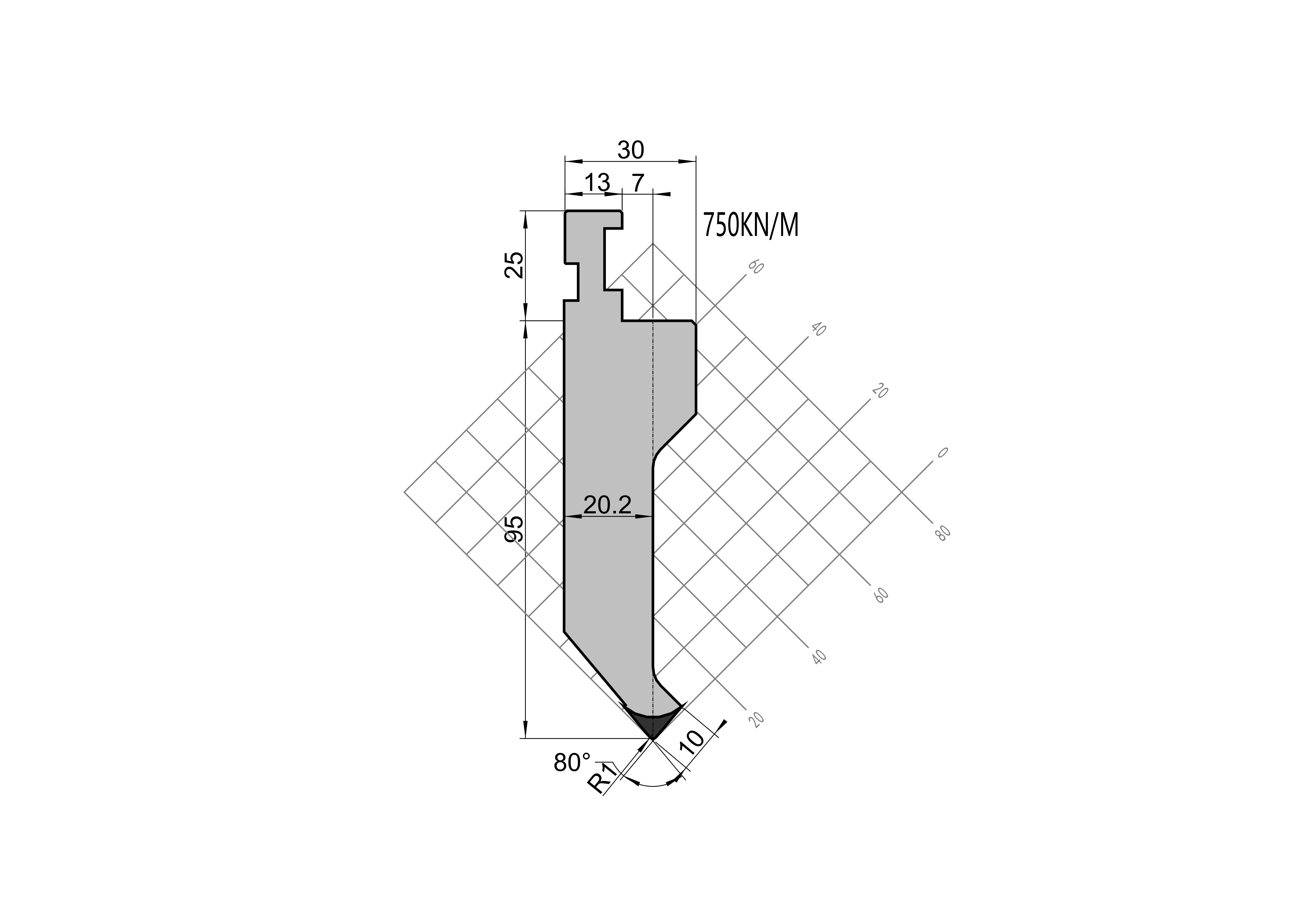
WILA Punch 14.02
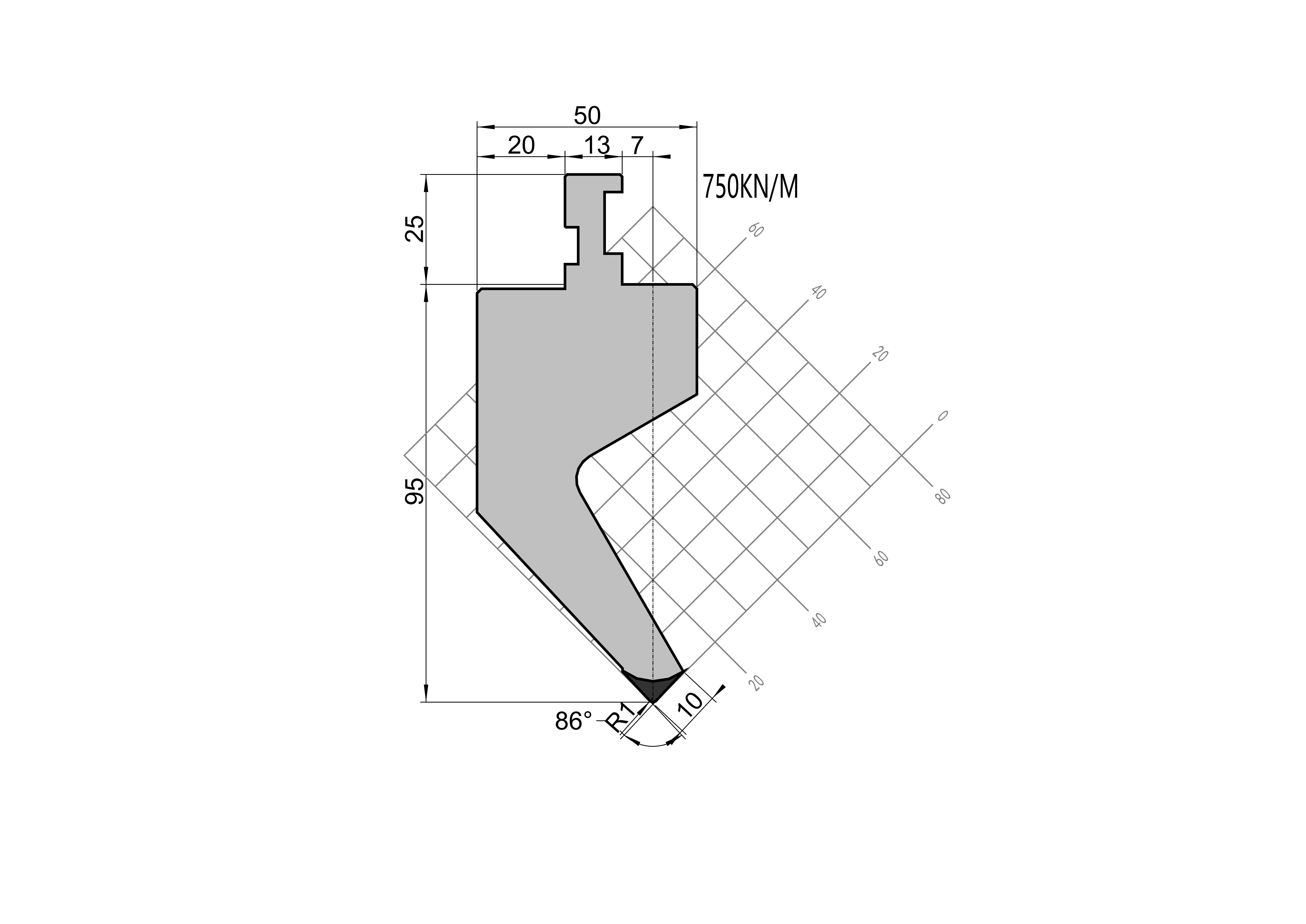
WILA Punch 14.04
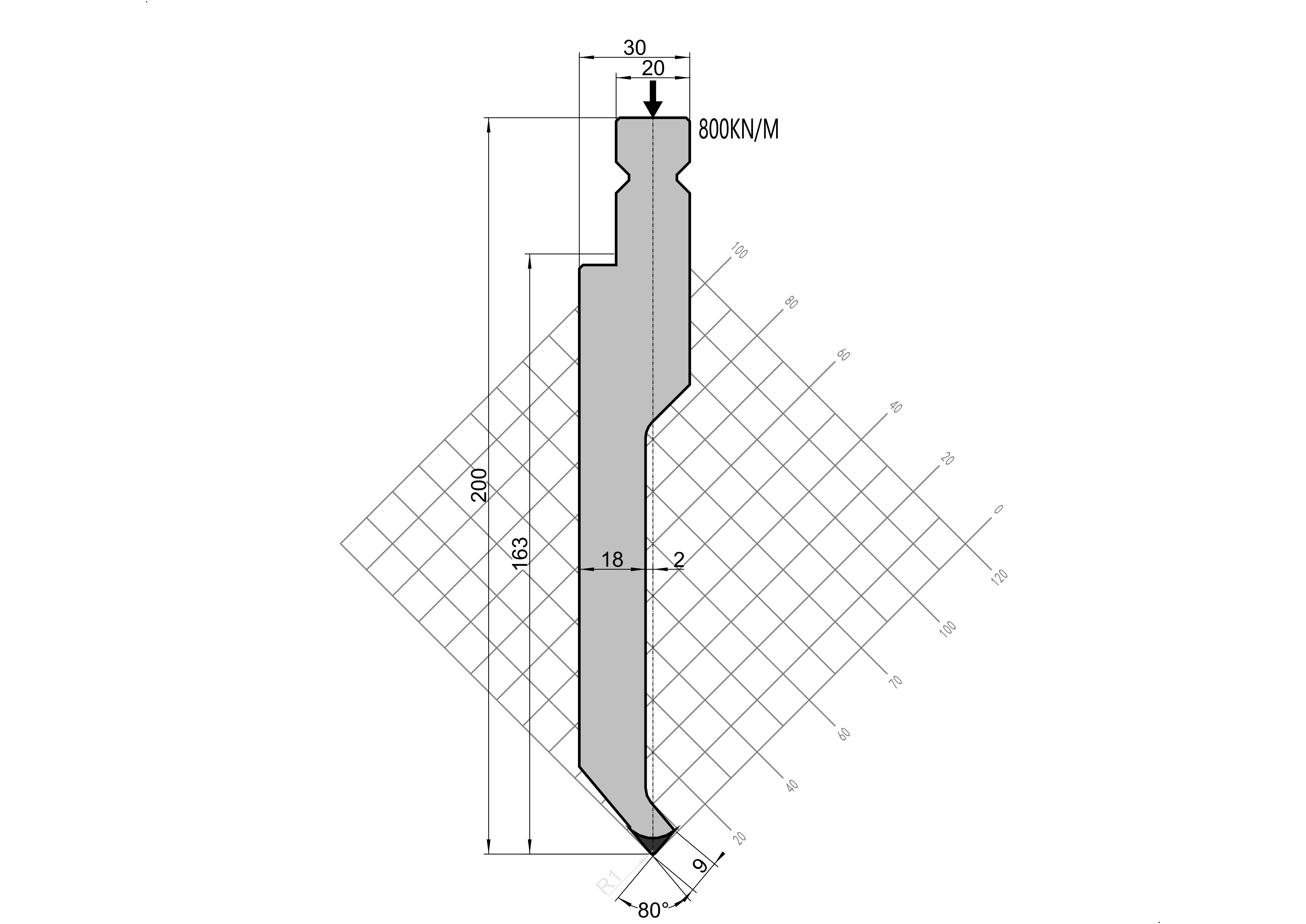
WILA Punch 19.022
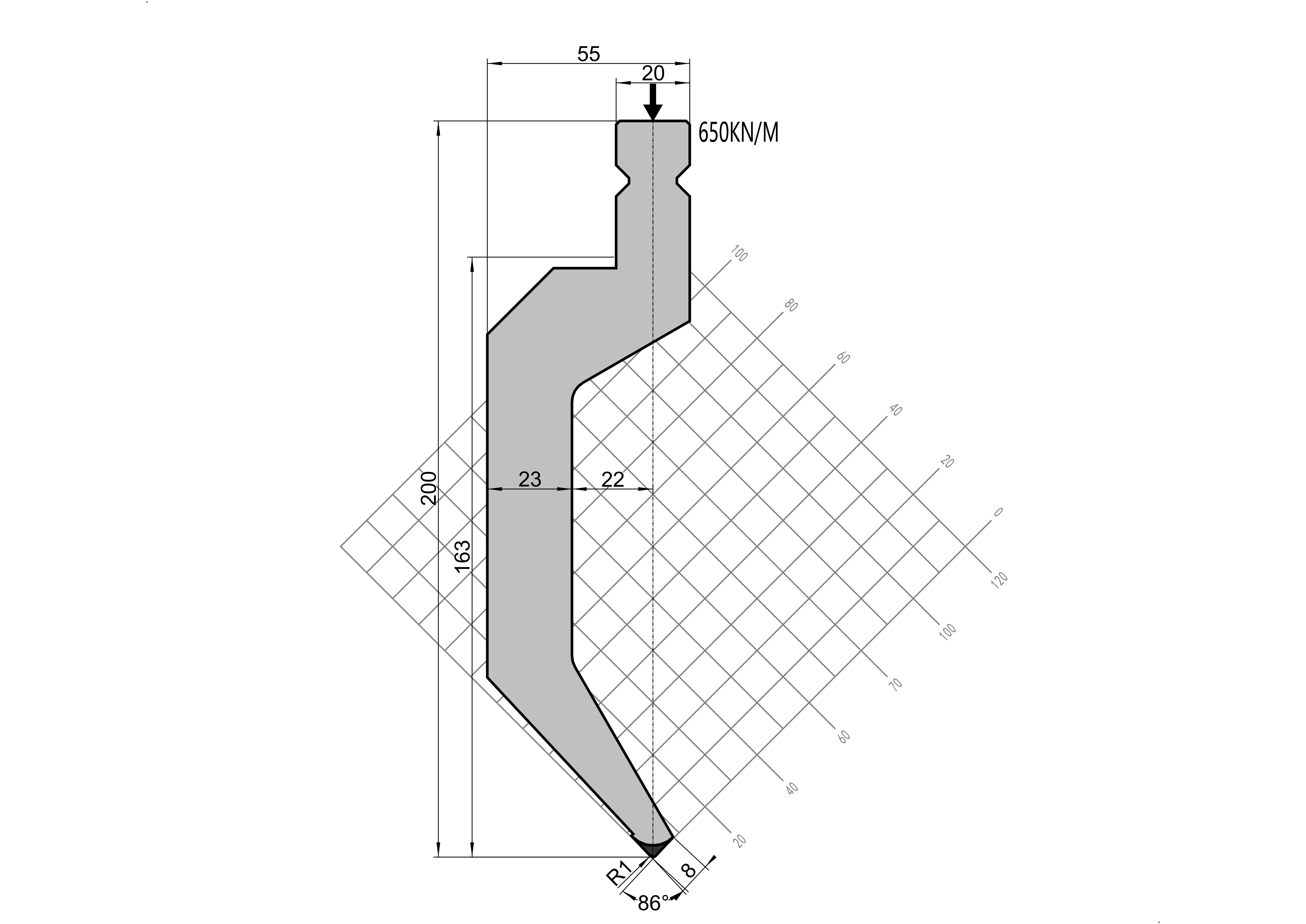
WILA Punch 19.023
Frequently asked questions
Will every tool here fit every WILA press brake?
No. This is a catalog family, not universal compatibility approval. Identify the installed upper and lower holders, compare referenced interface drawings and include any retrofit equipment. Ask for confirmation of the exact proposed assembly before ordering.
Can I select a replacement from the photograph alone?
A photograph helps identify a candidate, but it does not establish unshown dimensions, tolerances, seating references or load limits. Send the existing tool reference and a drawing where available, then resolve the missing information in the engineering review.
What if my part needs a non-standard tool?
Send the finished profile, material and machine information with the constraint that a standard tool cannot meet. COVO can review a custom tooling scope. Geometry, interfaces, limits and acceptance criteria need agreement before manufacture; custom does not mean universally compatible.
Brand names identify the requested interface or machine family; they do not imply OEM affiliation or universal compatibility. Confirm the installed system before ordering.
Prepare an engineering review · Estimate preliminary bending force · Explore custom forming tools
Specify the correct tooling
Provide the machine model, clamping interface, material, thickness, bend length and finished profile so COVO can verify compatibility and tooling clearance.
Browse all WILA products · Bending force calculator · Request a quote